
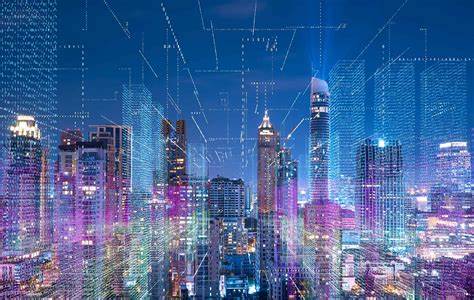
As cities around the globe continue to expand and evolve, the integration of smart cities technology is becoming a crucial component of urban development. From reducing traffic congestion to enhancing energy efficiency, the technology behind smart cities is driving a revolutionary transformation in how urban environments function. This article explores the cutting-edge innovations propelling this shift, the profound impact on urban evolution, and what the future of smart cities holds.
The Rise of Smart Cities Technology
At the heart of smart cities technology is the idea of creating interconnected urban environments where data and technology work harmoniously to improve quality of life. This vision is realized through the deployment of sensors, IoT devices, and advanced analytics that collect and process data in real-time. This data-driven approach allows cities to address challenges proactively and efficiently.
One notable example is the use of smart traffic management systems. By leveraging real-time data from sensors embedded in roads and vehicles, cities can optimize traffic flow, reduce congestion, and even lower emissions. This technology not only improves the commute for residents but also contributes to a cleaner environment. The technology behind smart cities includes these sophisticated systems that enable cities to operate with greater agility and foresight.
Urban Evolution and Technology
The urban evolution and technology are deeply intertwined. As cities grow, they face complex challenges such as managing increased energy demands, ensuring public safety, and maintaining infrastructure. Smart city technologies address these issues by offering innovative solutions that enhance urban living.
For instance, smart grids are revolutionizing how cities manage energy consumption. These grids use sensors and data analytics to monitor and optimize energy distribution, reducing waste and improving efficiency. By integrating renewable energy sources and predictive maintenance, smart grids help cities transition towards more sustainable energy practices.
Additionally, smart lighting systems are another example of how smart cities technology is evolving. These systems use sensors to adjust street lighting based on real-time conditions, such as traffic flow and weather. This not only improves safety but also reduces energy consumption and costs.
Enhancing Public Services with Smart Technology
Public services are a crucial aspect of urban life, and smart technologies are significantly enhancing their effectiveness. Smart water management systems, for example, use sensors to monitor water quality and detect leaks. This proactive approach ensures a reliable supply of clean water and reduces maintenance costs.
Similarly, smart waste management systems employ sensors to monitor waste levels in bins and optimize collection routes. This not only makes waste collection more efficient but also reduces the environmental impact of waste management operations.
The technology behind smart cities also extends to public safety. Surveillance systems equipped with advanced analytics can detect and respond to incidents more rapidly, improving emergency response times and overall safety. By integrating these technologies, cities can provide better services and improve the quality of life for their residents.
The Future of Smart Cities
Looking ahead, the future of smart cities is poised for even more transformative advancements. Emerging technologies such as artificial intelligence (AI) and machine learning are set to play a pivotal role in shaping the next generation of smart cities. AI can analyze vast amounts of data to predict trends, optimize city services, and enhance decision-making processes.
Moreover, the integration of 5G technology will significantly enhance the capabilities of smart cities. With faster data transfer rates and lower latency, 5G will enable more seamless communication between devices and systems, facilitating even greater levels of automation and efficiency.
As cities continue to embrace these innovations, the technology behind smart cities will evolve to address new challenges and opportunities. The development of autonomous vehicles, for instance, promises to transform transportation infrastructure and urban mobility, further advancing the goals of smart cities.
Embracing the Smart City Vision
The journey towards becoming a smart city involves more than just adopting new technologies; it requires a comprehensive strategy that integrates these innovations into the fabric of urban life. Collaboration between city planners, technology providers, and residents is essential to ensuring that smart city initiatives meet the needs of all stakeholders.
As cities navigate this transformation, it’s crucial to consider factors such as data privacy, security, and inclusivity. Ensuring that technology benefits all residents and does not exacerbate existing inequalities is a key aspect of building truly smart and equitable cities.
In conclusion, smart cities technology is reshaping urban landscapes and driving significant advancements in how cities operate. From improving public services and enhancing energy efficiency to paving the way for future innovations, the technology behind smart cities is at the forefront of urban evolution. As we look to the future of smart cities, embracing these technologies will be essential for creating more sustainable, efficient, and livable urban environments.

More Stories
Professional Knife Sharpeners for Precision, Consistency, and Long Term Performance
How AI is Revolutionizing Everyday Technology
The Rise of 5G: Transforming Connectivity