
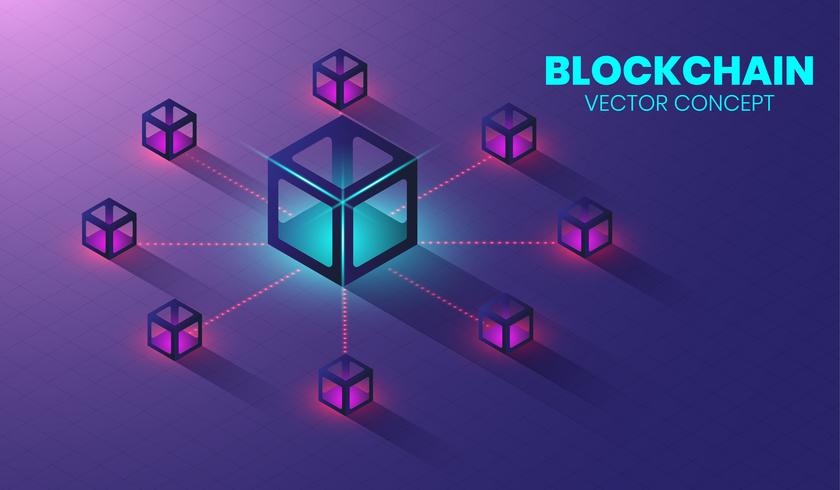
In the ever-evolving realm of technology, few innovations have garnered as much intrigue and potential as blockchain. Originally the backbone of cryptocurrencies like Bitcoin, blockchain in tech is now branching out into diverse sectors, proving to be a transformative force across the digital landscape. By providing a decentralized, immutable ledger, blockchain technology impact is being felt far beyond the realm of digital currencies, influencing everything from supply chain management to digital identity verification. Here’s a closer look at how blockchain and the tech industry are intersecting and the ways in which blockchain is shaping technology.
Revolutionizing Data Security and Integrity
One of the most profound impacts of blockchain in tech is its role in enhancing data security and integrity. Traditional databases, which are centralized and prone to single points of failure, can be vulnerable to cyber-attacks and data breaches. In contrast, blockchain technology uses a distributed ledger that records transactions across a network of computers. This decentralized nature makes it significantly harder for malicious actors to alter or tamper with data.
Every transaction on a blockchain is verified by consensus among multiple participants, ensuring that once information is recorded, it cannot be changed or deleted without altering all subsequent blocks. This feature is particularly valuable for industries where data integrity is paramount, such as finance, healthcare, and supply chain management. For instance, in healthcare, blockchain technology impact can streamline patient records, enhancing both privacy and accessibility while ensuring that sensitive data remains unaltered and secure.
Transforming Supply Chain Management
Supply chains are increasingly complex and globalized, making transparency and traceability crucial. Blockchain and the tech industry are addressing these challenges with innovative solutions. By utilizing blockchain technology, companies can create a transparent, immutable record of every step a product takes from production to delivery. This capability is revolutionizing industries such as food safety and luxury goods.
For example, in the food industry, blockchain can trace the journey of a product from farm to table, ensuring that each stage of the supply chain is verifiable. This not only helps in tracking the origin of products but also in quickly identifying sources of contamination during food recalls. Blockchain shaping technology in this way enhances trust and accountability in the supply chain, benefiting both businesses and consumers.
Enhancing Smart Contracts
Another exciting application of blockchain in tech is the use of smart contracts. These self-executing contracts are programmed to automatically enforce the terms of an agreement when certain conditions are met. By eliminating the need for intermediaries, smart contracts streamline processes and reduce costs.
For instance, in real estate transactions, a smart contract could automate the transfer of ownership upon receipt of payment, drastically reducing the time and complexity of traditional property transactions. Blockchain technology impact in this area can also be seen in areas like insurance and legal agreements, where automated and transparent execution of contracts can enhance efficiency and reduce the risk of fraud.
Enabling Decentralized Finance (DeFi)
The rise of decentralized finance (DeFi) is one of the most notable ways blockchain and the tech industry are converging. DeFi leverages blockchain to recreate traditional financial systems—such as lending, borrowing, and trading—without relying on centralized institutions like banks. Instead, DeFi platforms operate on blockchain networks, using smart contracts to facilitate financial transactions.
This shift towards decentralized financial systems promises greater accessibility, lower costs, and enhanced transparency. For individuals in underbanked regions or those seeking alternative financial solutions, DeFi offers new opportunities that were previously unavailable through traditional financial channels. Blockchain shaping technology in this way has the potential to democratize access to financial services and create a more inclusive global economy.
Advancing Digital Identity Management
In an era where identity theft and privacy concerns are on the rise, blockchain in tech offers innovative solutions for digital identity management. Traditional identity verification methods are often cumbersome and vulnerable to breaches. Blockchain technology can provide a decentralized, secure way to manage and verify identities, reducing the risk of unauthorized access and fraud.
Through blockchain, individuals can maintain control over their personal data, sharing only the necessary information with trusted parties. This approach not only enhances privacy but also simplifies the verification process for services ranging from online accounts to government services. The blockchain technology impact on digital identity management is set to revolutionize how personal information is handled, creating a safer and more efficient system.
Fostering Innovation and Collaboration
Finally, blockchain and the tech industry are fostering a new wave of innovation and collaboration. The decentralized nature of blockchain encourages open-source development and cooperative approaches to solving complex problems. Projects like Ethereum have created platforms where developers can build decentralized applications (dApps) that leverage blockchain’s capabilities.
This spirit of innovation is leading to the creation of new business models and collaborative ecosystems. For instance, decentralized autonomous organizations (DAOs) use blockchain to enable collective decision-making and governance without traditional hierarchical structures. As blockchain is shaping technology, it is also catalyzing new forms of digital collaboration and innovation, breaking down barriers and creating opportunities for growth.
Conclusion: Embracing Blockchain’s Potential
In summary, the impact of blockchain on the tech industry is profound and multifaceted. From enhancing security and transparency to enabling decentralized finance and revolutionizing identity management, blockchain technology is reshaping how we interact with digital systems. As organizations and industries continue to explore and adopt blockchain and tech, we are likely to see even more groundbreaking applications and innovations emerge.
Embracing the potential of blockchain shaping technology can lead to a more secure, transparent, and inclusive digital future. Whether you’re a tech enthusiast, a business leader, or simply curious about the latest advancements, understanding and leveraging blockchain’s capabilities will be key to navigating the evolving landscape of technology.

More Stories
Professional Knife Sharpeners for Precision, Consistency, and Long Term Performance
How AI is Revolutionizing Everyday Technology
The Rise of 5G: Transforming Connectivity