
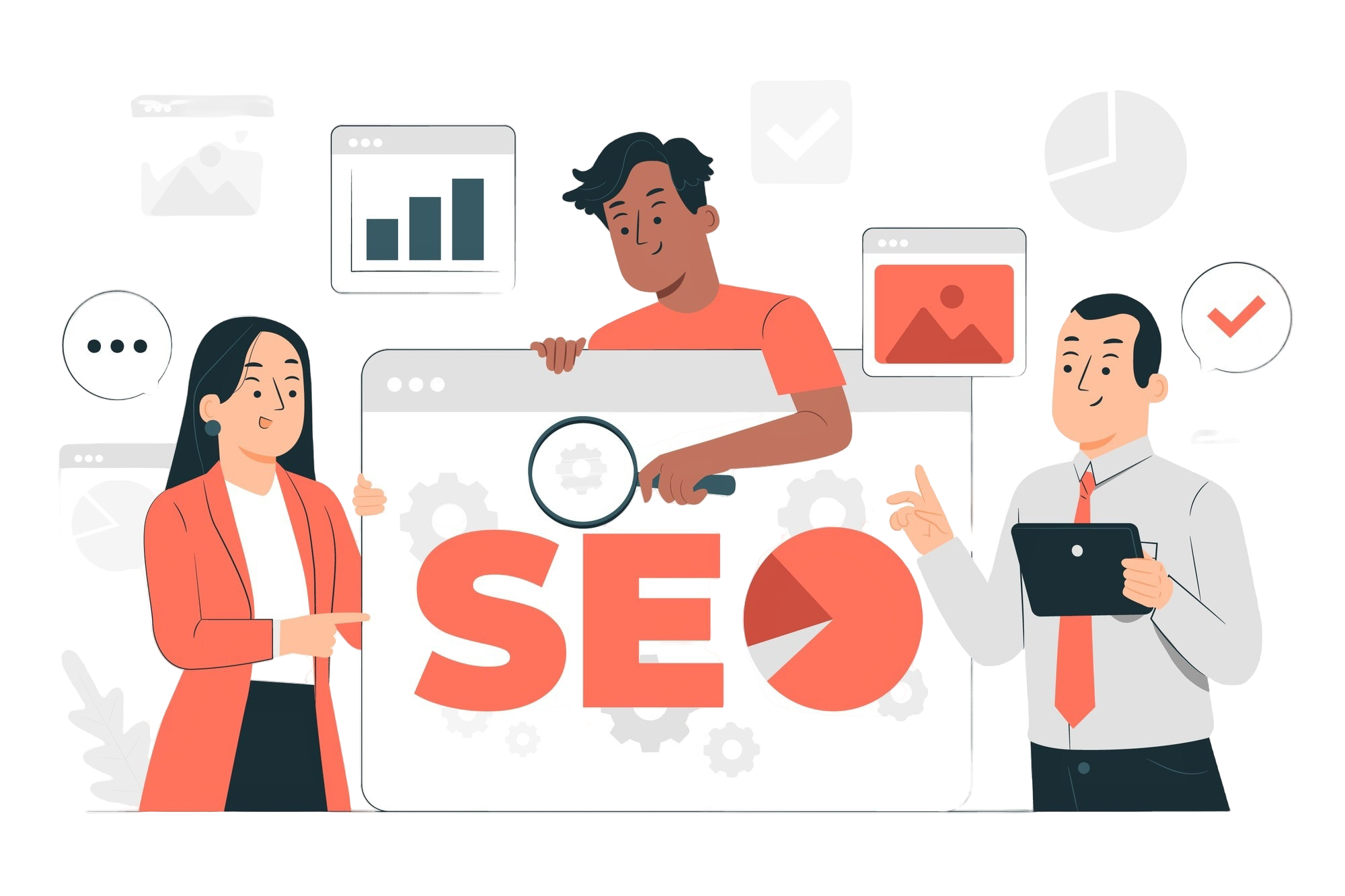
The digital marketplace has shifted from a convenience-based model to a necessity-driven landscape. For online retailers, simply having a functional store is no longer enough to ensure visibility. When potential customers search for specific products or categories, the difference between a high-performing brand and one that remains invisible often comes down to technical precision and search engine authority. If your revenue relies on organic traffic, optimizing your store for search engines is the most effective way to secure sustainable, long-term growth.
For business owners managing complex product inventories, the technical hurdles can seem insurmountable. From managing duplicate content across thousands of product pages to ensuring that search crawlers correctly index your categories, the nuances of retail search optimization require specialized knowledge. Partnering with a dedicated e-commerce SEO service allows you to move beyond basic keyword stuffing and toward a sophisticated strategy that aligns with how modern generative engines prioritize value and trust.
Understanding the Role of Search Intent in E-commerce
Modern search engines have evolved past the simple matching of queries to keywords. Today’s platforms focus on intent—what is the user actually trying to achieve? An individual searching for “best cordless vacuum” is in a different phase of the buyer’s journey than one searching for “buy Dyson V15 near me.”
An effective strategy must categorize your site architecture to mirror these intent layers. Informational content, such as buying guides or comparison articles, builds authority and captures users in the discovery phase. Meanwhile, product-specific category pages serve as the engine for conversion. By structuring your site to address these distinct needs, you ensure that your brand appears at every touchpoint, whether the customer is researching features or ready to complete a checkout.
Technical Optimization for Large-Scale Inventories
For stores with extensive catalogs, the biggest barrier to success is often “crawl budget” efficiency. If your site is bloated with low-value pages, broken internal links, or poorly optimized metadata, search bots may waste time on irrelevant content instead of indexing your newest product arrivals.
Technical audits represent a core pillar of a high-quality e-commerce SEO service. This process involves:
- Canonicalization: Ensuring that variants—such as color, size, or regional availability—do not create duplicate content penalties.
- Structured Data Implementation: Utilizing Schema markup so search engines can instantly display product prices, ratings, and stock status directly in search results.
- Site Speed Optimization: Reducing load times, which is a significant ranking factor for mobile shoppers who demand immediate performance.
Without a clean technical foundation, even the most compelling product descriptions will fail to rank. Ensuring your platform is lightweight and logically structured is the prerequisite for all other marketing efforts.
Localized Strategies and the Digital Marketing Agency in Las Vegas
While e-commerce implies a global reach, many retailers benefit immensely from localized visibility, especially when they operate regional distribution centers or physical showrooms. If your business has a geographical footprint, you must integrate local signals into your broader digital strategy.
Working with a digital marketing agency in Las Vegas provides the unique advantage of blending national retail goals with regional brand authority. Local signals—such as optimizing for “near me” queries, maintaining consistent NAP (name, address, phone number) profiles across directories, and earning local backlinks—signal to search engines that your brand is a trusted entity within its community. For Las Vegas-based businesses, this means appearing not just for broad product terms, but also capturing the high-intent local traffic that relies on regional availability and fast, reliable delivery.
Bridging the Gap Between AI Search and Retail
The rise of generative AI search models has transformed how consumers browse for products. Instead of clicking through a list of blue links, many users are asking complex, conversational questions to AI assistants. They might ask, “What is the best hiking gear for a desert climate?” or “Which kitchen gadgets are essential for a small apartment?”
To remain relevant in this new era, your content strategy must prioritize “entity-based” optimization. This means your site should be an authoritative source of information that AI models can easily cite. Rather than just listing items, focus on creating high-quality, long-form content that answers the *why* behind your products. When your store is viewed as a knowledgeable entity in your specific niche, your products are more likely to be featured in the direct, summarized answers provided by AI search tools.
Measuring Success Beyond Vanity Metrics
The most common mistake businesses make is prioritizing traffic volume over conversion quality. A surge in visitors is meaningless if they do not lead to sales or brand engagement. A professional approach to retail optimization focuses on Key Performance Indicators (KPIs) that directly impact the bottom line:
- Conversion Rate by Channel: Tracking which organic search terms lead to actual transactions.
- Average Order Value (AOV): Optimizing internal linking and cross-selling structures to encourage users to explore related categories.
- Return on Ad Spend (ROAS) Efficiency: Using organic rankings to offset high customer acquisition costs associated with paid search and social ads.
By auditing the customer journey—from the moment they find you in a search result to the moment the confirmation page loads—you can refine your strategy to focus on the high-value visitors who are most likely to purchase.
Building a Sustainable Foundation for the Future
E-commerce is a marathon, not a sprint. While paid advertising can provide a short-term traffic spike, it stops the moment the budget runs out. Conversely, the equity built through a robust e-commerce SEO service compounds over time. By consistently improving your site’s architecture, content relevance, and technical health, you build a digital asset that continues to attract customers long after the initial investment.
Furthermore, leveraging the expertise of a digital marketing agency in Las Vegas ensures that your strategy remains agile. The search landscape changes rapidly, with new algorithm updates and AI developments occurring frequently. Having a team dedicated to monitoring these shifts allows you to pivot your strategy proactively rather than reacting to drops in traffic after the fact.
Ultimately, your goal should be to create an online experience that is as frictionless for the search engine as it is for the user. When you align your technical infrastructure, regional presence, and content authority, you do more than just rank higher; you become the preferred destination for your target audience. Whether you are scaling a local operation or expanding into new markets, the right optimization strategy provides the clarity and leverage necessary to compete in an increasingly crowded digital landscape. By focusing on the fundamentals of intent, technical health, and entity authority, you position your brand to capture the attention of the modern, informed shopper.


More Stories
Buy Mobile Proxies in the USA: What You Need to Know
Facebook Reverse Image Search for Spotting Misleading Dating Accounts
AI Tools