
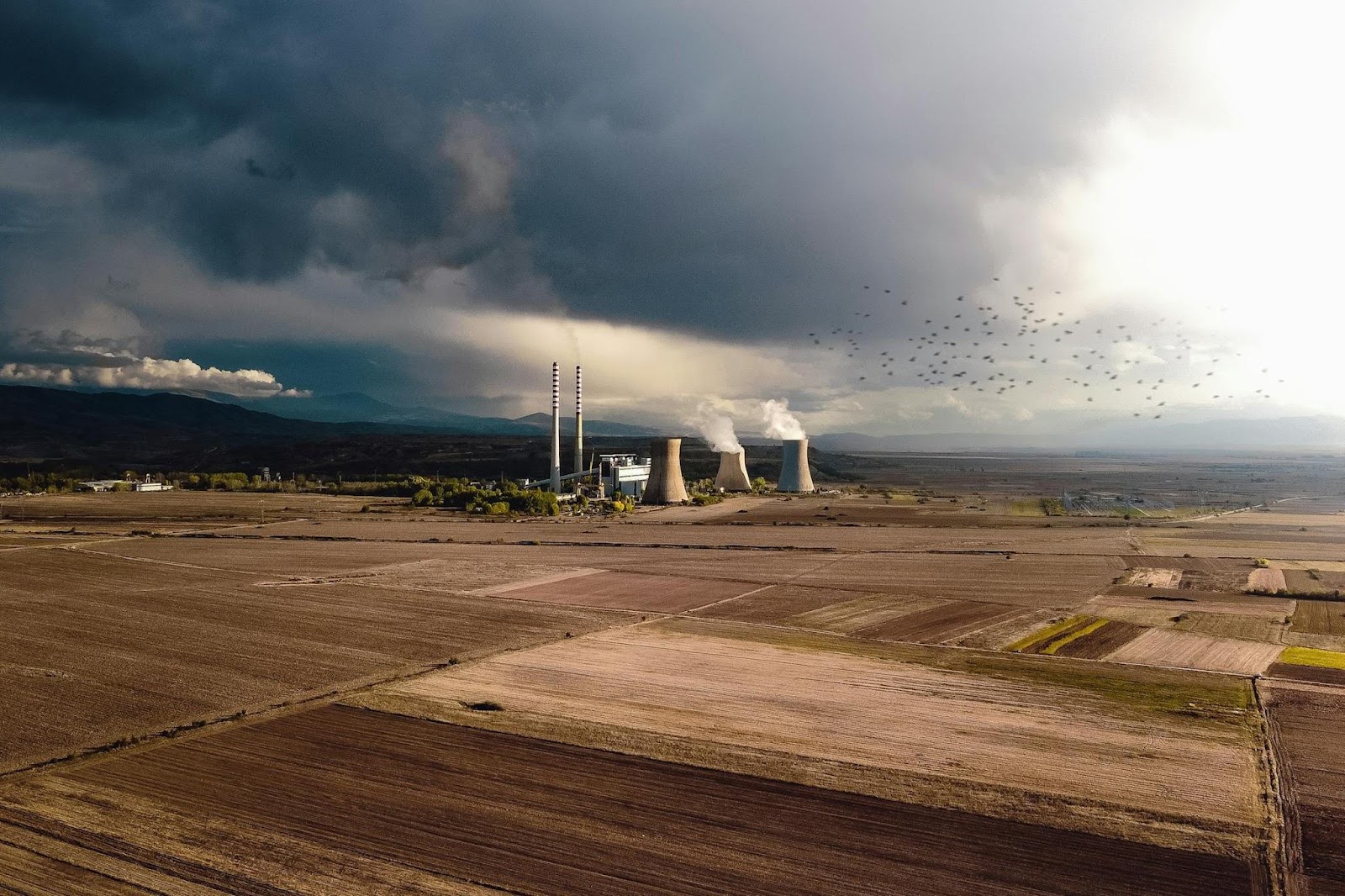
In today’s rapidly evolving world, technology plays a pivotal role in addressing some of the most pressing challenges of our time—chief among them being sustainability. The convergence of innovation and environmental stewardship has given rise to groundbreaking tech innovations driving sustainable solutions that are reshaping industries and fostering a greener future. This article delves into some of the most impactful sustainable tech innovations, highlighting how they are transforming the way we live, work, and interact with our planet.
Renewable Energy Advancements
One of the most significant innovations in sustainable technology is the development of renewable energy sources. Solar, wind, and hydropower technologies have made remarkable strides in efficiency and accessibility. Solar panels, for instance, have become more affordable and efficient, allowing households and businesses to generate clean energy and reduce their carbon footprint. Wind turbines, now capable of harnessing wind power even in low-wind areas, contribute significantly to global energy grids.
Moreover, innovations like floating solar farms and offshore wind farms demonstrate the limitless potential of renewable energy. These tech solutions for sustainability not only reduce reliance on fossil fuels but also provide a scalable way to meet the growing energy demands of the global population. The integration of smart grids and energy storage systems further enhances the reliability and efficiency of renewable energy, making it a cornerstone of sustainable development.
Green Building Technologies
The construction industry, traditionally known for its substantial environmental impact, is undergoing a transformation thanks to sustainable tech innovations. Green building technologies are revolutionizing the way we design, construct, and operate buildings. These innovations range from energy-efficient materials to smart building systems that optimize energy use.
For example, the adoption of green roofs and living walls not only improves building insulation but also contributes to urban biodiversity. Energy-efficient windows, insulation, and lighting systems reduce energy consumption, while smart thermostats and HVAC systems optimize heating and cooling, further lowering carbon emissions. Additionally, the use of sustainable materials, such as reclaimed wood and recycled steel, minimizes the environmental impact of construction projects.
Buildings are also being designed with sustainability in mind, incorporating features like rainwater harvesting, greywater recycling, and solar power generation. These tech innovations driving sustainable solutions not only reduce the environmental footprint of buildings but also create healthier and more comfortable living and working environments.
Circular Economy and Waste Management
The concept of a circular economy is gaining traction as a sustainable alternative to the traditional linear economy, which is based on a “take, make, dispose” model. Innovations in sustainable technology are at the forefront of this shift, enabling the efficient use of resources and minimizing waste.
One of the key tech solutions for sustainability in this area is the development of advanced recycling technologies. These innovations allow for the recycling of materials that were previously considered non-recyclable, such as certain plastics and electronic waste. Chemical recycling, for instance, breaks down plastics into their original chemical components, which can then be reused to create new products.
Additionally, the rise of the sharing economy and digital platforms that facilitate the exchange of goods and services are reducing the demand for new products, thereby lowering resource consumption. Companies are also adopting product-as-a-service models, where customers lease products instead of purchasing them outright. This approach encourages manufacturers to design durable and repairable products, ultimately reducing waste.
Sustainable Agriculture and Food Production
Agriculture, one of the largest contributors to environmental degradation, is being revolutionized by sustainable tech innovations. Precision agriculture, enabled by drones, sensors, and artificial intelligence, allows farmers to optimize the use of water, fertilizers, and pesticides, reducing their environmental impact while increasing crop yields.
Vertical farming is another innovation in sustainable technology that is transforming food production. By growing crops in stacked layers within controlled environments, vertical farms use significantly less water and land than traditional farming methods. These farms can be located in urban areas, reducing the need for long-distance transportation and lowering carbon emissions.
Furthermore, the development of lab-grown meat and plant-based alternatives offers a sustainable solution to the environmental challenges posed by livestock farming. These technologies have the potential to reduce greenhouse gas emissions, land use, and water consumption associated with meat production, providing a viable alternative to traditional animal agriculture.
Smart Cities and Sustainable Urban Planning
As the global population continues to urbanize, the need for sustainable urban planning becomes increasingly important. Tech solutions for sustainability are playing a crucial role in the development of smart cities, where technology is integrated into urban infrastructure to enhance efficiency and reduce environmental impact.
Smart cities leverage the Internet of Things (IoT) to monitor and manage resources like energy, water, and waste. For example, smart grids optimize energy distribution, reducing waste and improving the reliability of power supplies. Intelligent transportation systems, including electric and autonomous vehicles, reduce traffic congestion and lower emissions. Additionally, smart water management systems monitor and optimize water use, preventing leaks and reducing wastage.
Urban planners are also incorporating green spaces, pedestrian-friendly designs, and public transportation into city layouts to create more sustainable and livable environments. These sustainable tech innovations not only improve the quality of life for city residents but also contribute to the global effort to combat climate change.
Conclusion
The fusion of technology and sustainability is leading to transformative changes across various sectors. Tech innovations driving sustainable solutions are not only addressing environmental challenges but also creating new opportunities for economic growth and social development. As these sustainable tech innovations continue to evolve, they will play an increasingly vital role in shaping a more sustainable and resilient future for all.


More Stories
Quantum Leaps: How Emerging Tech is Reshaping Our Tomorrow
Quantum Leaps: The Next Frontier in Emerging Technology
Revolutionizing Reality: How 5G and AI Are Redefining Mobile Technology